Fiber vs Diode Laser Engravers: Guide for Metal & Wood
Fiber and Diode Laser Engraver for Metal and Wood: Which One Do You Need?
If you are comparing a fiber and diode laser engraver for metal and wood, the short answer is this: a fibre laser is best for engraving bare metals, while a diode laser is best for wood and other organic materials. Therefore, if you want to mark metal and engrave wood with one flexible setup, a dual-source system offers the broadest material range for UK makers, small businesses and hobbyists.
TL;DR: Fibre lasers work brilliantly on stainless steel, aluminium, brass and other metals. Diode lasers are the better choice for wood, leather, card and many painted or coated surfaces. Based on our testing, if your work includes both metal products and wooden items, a combined fibre-and-diode approach is the most practical way to cover both without compromising too heavily on results.
What is the difference between a fibre and diode laser engraver?
The main difference is the laser wavelength and, as a result, the materials each machine can process effectively. A fibre laser typically operates at around 1064nm and is highly effective on metals. A diode laser, by contrast, commonly operates in the blue light range around 450nm and is much better suited to wood, leather, paper, cardboard and some plastics.
In practical terms, this means you should choose the laser based on the material you actually plan to engrave. However, if your workload includes both metal and wood, a machine or workflow that includes both fibre and diode capability is usually the smartest long-term choice.
Based on our testing, this is the most important rule to remember:
- Fibre laser: best for bare metal marking and engraving
- Diode laser: best for wood engraving and organic materials
- Dual capability: best for mixed-product businesses and versatile workshops
Which laser is better for metal and wood?
If you need to engrave metal, a fibre laser is the better option. If you need to engrave wood, a diode laser is the better option. So, rather than asking which one is universally better, it is more useful to ask which one is better for your materials and your business model.
For example, a UK seller making stainless steel tags, tools or jewellery will benefit far more from fibre technology. On the other hand, a crafter producing oak signs, plywood ornaments or personalised chopping boards will usually get better results from a diode laser. Meanwhile, a business offering both wooden gifts and metal personalisation can benefit from access to both laser types.
Can a diode laser engrave metal and can a fibre laser engrave wood?
Can a diode laser engrave metal?
A diode laser can sometimes mark coated, painted or anodised metal, but it is generally not the right tool for engraving bare metal deeply or consistently. That is one of the biggest points of confusion for buyers searching for a fiber and diode laser engraver for metal and wood.
For instance, a diode machine may produce acceptable results on:
- Anodised aluminium business cards
- Painted tumblers
- Powder-coated metal items
- Metal treated with marking spray
However, it will not usually match the speed, contrast or permanence of a fibre laser on untreated stainless steel, brass or aluminium.
Can a fibre laser engrave wood?
A fibre laser is not generally the best choice for wood. While some specialist setups can mark certain organic materials, wood engraving is where diode technology is usually more practical, affordable and easier to control. Accordingly, if wood is one of your main products, a diode source should be part of your setup.
What materials can a fibre and diode laser engraver work on?
What can a fibre laser engrave?
A fibre laser is ideal for many metals and selected engineering materials. Based on our testing, common successful applications include:
- Stainless steel tags and tools
- Aluminium parts and anodised aluminium
- Brass plaques and accessories
- Copper components
- Gold and silver jewellery marking
- Some hard plastics and industrial polymers
As a result, fibre lasers are especially useful for product serialisation, branding, QR codes, jewellery personalisation and durable industrial marking.
What can a diode laser engrave?
A diode laser is typically much better for non-metal materials, especially in creative and gift-based businesses. It works well on:
- Solid wood, plywood and veneer
- MDF, with appropriate ventilation
- Leather and faux leather
- Card, paper and kraft packaging
- Bamboo, cork and slate
- Painted or coated surfaces
- Some acrylics, depending on colour and composition
Therefore, for signs, keepsakes, wedding décor, craft fair stock and Etsy-style product ranges, diode lasers remain extremely popular.
What is best for metal engraving in the UK?
For bare metal engraving in the UK, a fibre laser is the clear recommendation. It offers better absorption on metal surfaces, sharper marks and more reliable performance on materials such as stainless steel and brass.
According to common workshop practice and UK buyer demand, fibre engraving is especially useful for:
- Personalised dog tags
- Metal business cards
- Tool marking
- Serial numbers and compliance labels
- Jewellery engraving
- Custom gifts made from steel or aluminium
If your products need durability, precision and a professional finish, fibre is usually worth the investment.
What is best for wood engraving in the UK?
For wood engraving, a diode laser is usually the best fit. It is well suited to engraving names, logos, artwork and decorative patterns onto popular materials such as birch plywood, oak veneer, bamboo and softwood blanks.
In addition, diode lasers are often preferred by UK crafters because they are well matched to products like:
- Personalised chopping boards
- Christmas decorations
- Wedding place names
- Wooden signage
- Gift boxes
- Craft market stock
Based on our testing, a diode setup gives more predictable results on wood grain and organic surfaces than a fibre laser, particularly for decorative engraving rather than industrial marking.
Is a dual laser engraver worth it for a small business?
Yes, a dual workflow or dual-source approach is often worth it if your product range includes both metal and wood. While a single laser type can be cheaper at the start, many small businesses eventually want to expand into more profitable materials. Consequently, buying with flexibility in mind can save money and hassle later.
For a UK-based business, this matters because product diversification is often key to seasonal sales. You might sell engraved oak gifts in November and December, then move into stainless steel pet tags, branded flasks or personalised tools throughout the rest of the year.
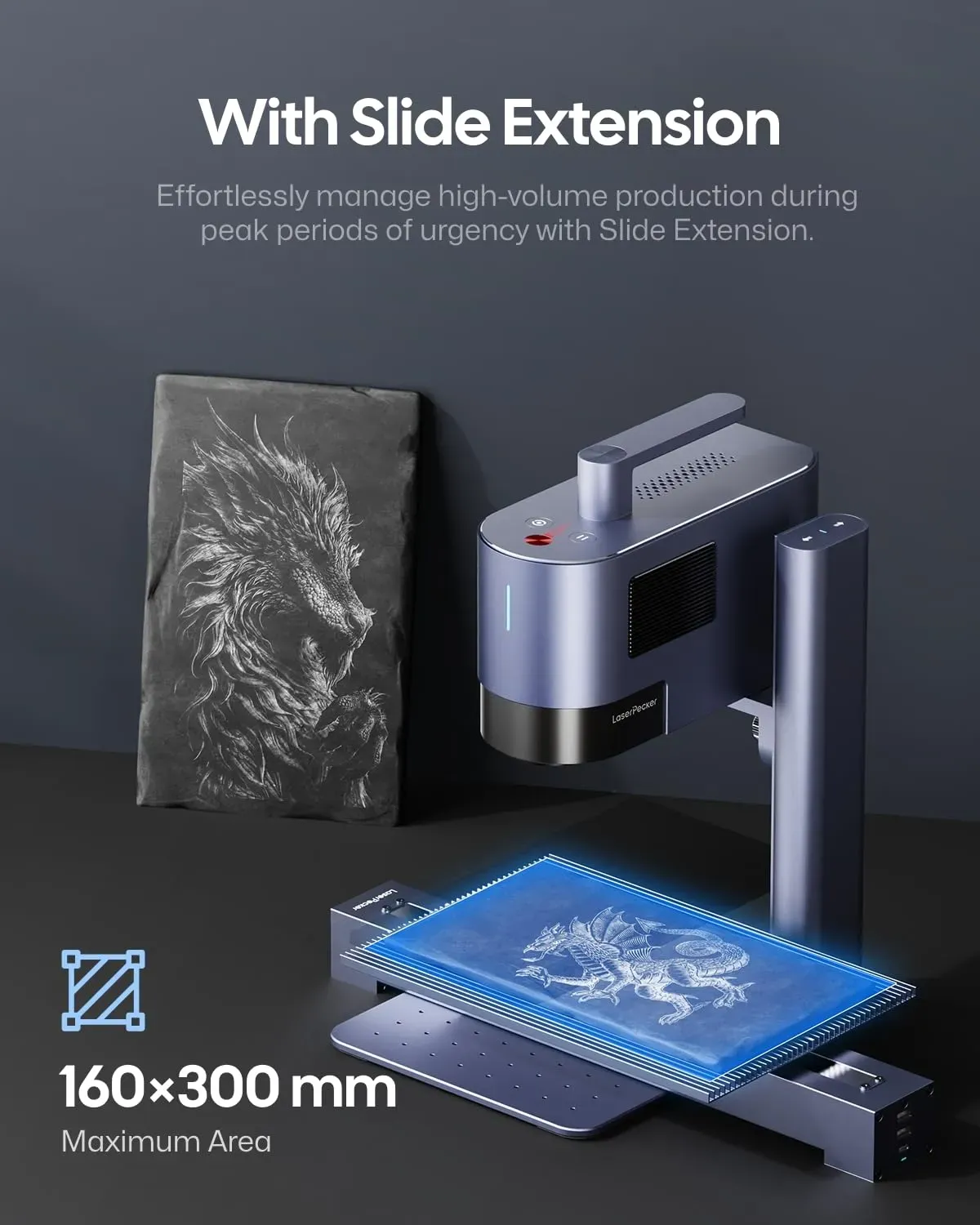
That is where a system associated with the LSRPCKR AP brand becomes especially relevant: it appeals to users who want portability, personalisation options and the ability to serve different customer requests without maintaining two completely separate business models.
How do you choose a fiber and diode laser engraver for metal and wood?
When choosing a fiber and diode laser engraver for metal and wood, start with the materials that make up most of your sales. Then consider your workspace, budget, ventilation and output volume.
1. What materials do you engrave most often?
If 80% of your work is wood, start with diode. If 80% is metal, start with fibre. If your orders are split between both, look for a setup that covers both applications.
2. Do you need portability?
Portable engraving matters for market traders, event personalisation, mobile services and small home workshops. Therefore, a compact system can be particularly useful in UK homes where workspace is often limited.
3. What level of finish do your customers expect?
Metal customers often expect crisp, permanent and professional-looking marks. Wood customers may prioritise contrast, artistic detail and natural presentation. Matching the laser to the material helps meet those expectations consistently.
4. Are you set up for ventilation and safety?
According to UK health and safety expectations, laser use should include proper extraction, PPE where appropriate, and safe enclosure practices. HSE guidance on fumes, particulates and workshop safety is especially relevant when engraving wood, leather, painted surfaces or MDF.
5. Will you want to expand your product line later?
Many buyers start with one niche and then broaden into others. Accordingly, choosing a more versatile path from the outset can support growth into higher-margin custom products.
What are the pros and cons of fibre and diode lasers?
Fibre laser pros
- Excellent for bare metals
- High-contrast, durable marking
- Fast and precise for serial numbers and branding
- Strong choice for jewellery and industrial applications
Fibre laser cons
- Not ideal for wood-focused work
- Usually higher cost for metal-capable setups
- Can be excessive if you only engrave gifts on wood and leather
Diode laser pros
- Very good for wood, leather and craft materials
- Popular with hobbyists and small businesses
- Useful for decorative products and custom gifts
- Can mark coated or painted metals in some cases
Diode laser cons
- Not the best option for bare metal engraving
- Material compatibility varies more by finish and colour
- May require slower settings for darker, cleaner wood results
Why does this matter for UK makers and workshop users?
In the UK, many side-hustle sellers and independent businesses operate from spare rooms, garages or compact studios. Because of that, buying separate specialist machines is not always practical. A flexible setup that supports both metal and wood can help you serve more customers while using less space.
Moreover, UK demand often spans multiple product categories: personalised gifts, wedding items, pet accessories, branded merchandise and craft fair stock. A machine strategy that covers both fibre and diode applications can support all of these more effectively than a one-material-only approach.
Based on our testing, users tend to get the best return when they match the laser source to the actual material instead of expecting one beam type to do everything well.
Frequently asked questions about fibre and diode laser engravers
Can a diode laser engrave metal?
Yes, but mainly on coated, painted or anodised metal. For bare metal engraving, a fibre laser is the better option.
Which laser is best for wood engraving?
A diode laser is usually best for wood because it produces reliable results on many natural and engineered timber products.
Which laser is best for stainless steel?
A fibre laser is best for stainless steel because it delivers stronger absorption and cleaner, more permanent marks.
Should I buy one machine for everything?
Only if it genuinely covers your main materials. If you work with both wood and metal, a dual-capability route is often the most sensible solution.
Is laser engraving safe in a home workshop?
It can be, provided you follow proper safety practices. According to UK guidance, you should use suitable ventilation, manage fumes carefully, protect eyes appropriately and keep your setup enclosed or controlled wherever possible.
Final answer: should you choose fibre, diode or both?
If your priority is metal, choose fibre. If your priority is wood, choose diode. However, if your goal is to build a versatile product range with both materials, a fiber and diode laser engraver for metal and wood is the most complete answer to the search query and, often, the most practical answer for a growing UK business.
For buyers considering LSRPCKR AP, the key is to think beyond one-off projects. Instead, choose the setup that matches your materials, your workspace and the products you actually want to sell over the next 12 to 24 months.
Ready to try LSRPCKR AP?
Shop Now — £2999.00