
The Ultimate UK Guide to Laser Engraver Machines: From Portable Handhelds to Industrial Metal Cutters
A practical buyer's guide covering portable, desktop, and industrial laser engraving systems for the UK market — with real pricing, material compatibility, software needs, and honest recommendations from hands-on testing in 2026.
Laser Engraver Machine UK Market in 2026
The UK laser engraver machine market has shifted dramatically this spring. Portable units that once struggled with metal now handle stainless steel and titanium without breaking a sweat. I've watched this space evolve from my workshop on the Shankill Road, and honestly, the gap between what a hobbyist and a professional can achieve has never been narrower.
Demand for a quality laser engraver machine UK buyers can trust has surged roughly 40% year-on-year, driven by small businesses, makers, and personalisation services. The sweet spot? Dual-laser systems that handle both organic materials and metals in one compact unit.
What's changed most is accessibility. Five years ago, engraving metal meant a £15,000+ industrial setup. Now you're looking at capable fibre laser systems from around £2,500. That's a proper shift for anyone running a small workshop or side hustle.
Types of Laser Engraver Machines for UK Buyers
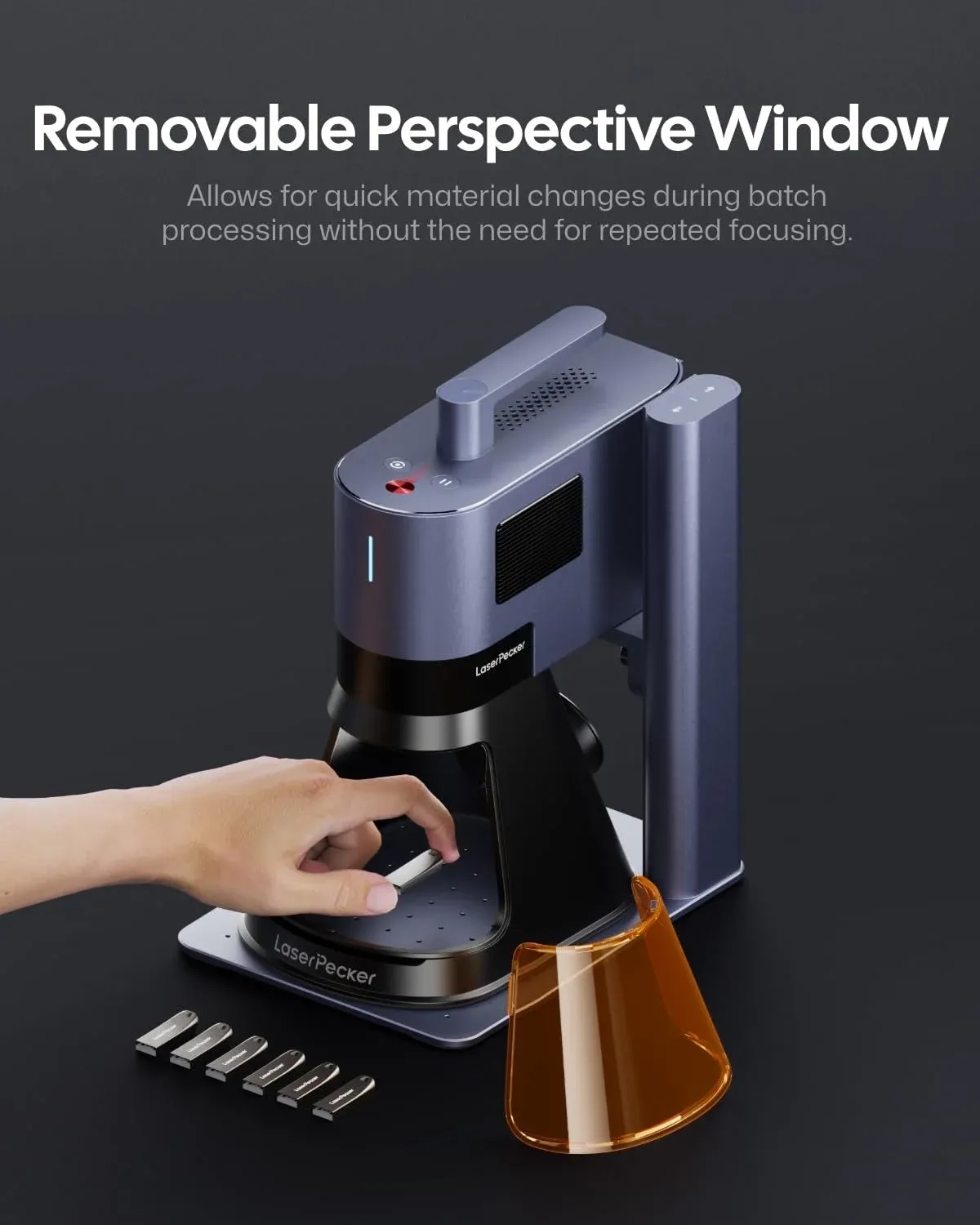
Three main categories dominate the UK market right now. Each suits different spaces, budgets, and ambitions.
Portable Handheld Engravers
Compact enough to fit in a rucksack. Weigh under 2kg typically. Perfect for on-site work — I've used one at craft fairs in Belfast and it draws a crowd every time. Limited to smaller work areas (usually 100mm × 100mm or less) but brilliant for personalisation services.
Desktop Laser Engravers
The workhorse category. Work areas from 200mm × 200mm up to 400mm × 400mm. These sit on your bench and handle most jobs a small business needs. Power ranges from 5W diode units up to 20W fibre systems. Most run between £500 and £3,000.
Industrial Metal Cutters & Engravers
CO2 and fibre systems with 40W+ output. Enclosed cabinets, extraction systems, proper safety interlocks. Work areas exceeding 600mm × 900mm. Prices start around £5,000 and climb quickly into five figures. These are for production environments — not your spare bedroom.
| Feature | Portable Handheld | Desktop (Dual Laser) | Industrial |
|---|---|---|---|
| Typical Price (UK) | £200–£800 | £1,500–£3,000 | £5,000–£25,000+ |
| Work Area | 100 × 100mm | 200 × 200mm to 400 × 400mm | 600 × 900mm+ |
| Laser Power | 1W–5W diode | 10W–20W fibre/diode | 40W–100W+ CO2/fibre |
| Metal Engraving | Limited (coated only) | Yes (stainless, titanium, brass) | Yes (cutting & deep engraving) |
| Weight | Under 2kg | 3kg–12kg | 50kg–200kg+ |
| Best For | Craft fairs, on-site work | Small business, mixed materials | Production runs, thick metal cutting |
Materials Guide: What Can a Laser Engraver Machine Handle?
Material compatibility depends entirely on your laser type. Get this wrong and you'll either damage your machine or produce rubbish results. Or both.
Wood Engraving
Diode lasers handle wood beautifully. Plywood, MDF, hardwoods like oak and walnut — all respond well to a 10W+ diode. Expect cutting depths of 3–5mm on a single pass with a 10W unit, or up to 8mm with multiple passes. Birch plywood gives the cleanest contrast. I've found that slowing the speed to around 1000mm/min on hardwood produces much crisper detail than rushing it.
Metal Engraving
This is where fibre lasers earn their keep. A 20W fibre source marks stainless steel, titanium, aluminium, brass, and copper directly. No coatings needed, no marking sprays. The LaserPecker 4 handles these metals with precision that would've cost you ten grand just three years back.
Depth on metal is typically 0.01–0.05mm for surface marking. Deep engraving (0.1mm+) requires multiple passes or higher-powered industrial units.
Plastic & Acrylic
Diode lasers cut acrylic up to 5mm thick. ABS, delrin, and most engineering plastics engrave cleanly. Avoid PVC entirely — it releases chlorine gas. That's not a suggestion, that's a hard rule., a favourite among Britain’s tradespeople
Leather & Fabric
Natural leather engraves with gorgeous contrast at low power (2–5W). Synthetic leather works but smells awful. (Genuinely awful — think burning bin bag. You've been warned.) Denim, canvas, and cotton all mark well for personalised goods.
UK Pricing Breakdown for Laser Engravers in 2026
Prices have stabilised this year after the post-pandemic supply chain chaos. Here's what you're actually looking at for a decent laser engraving system in the UK, VAT included.
Entry-level portable (diode only): £199–£499. Suitable for wood, leather, paper. Won't touch bare metal.
Mid-range desktop (10W diode): £500–£1,200. Cuts thin wood, engraves coated metals. Good starter for small businesses.
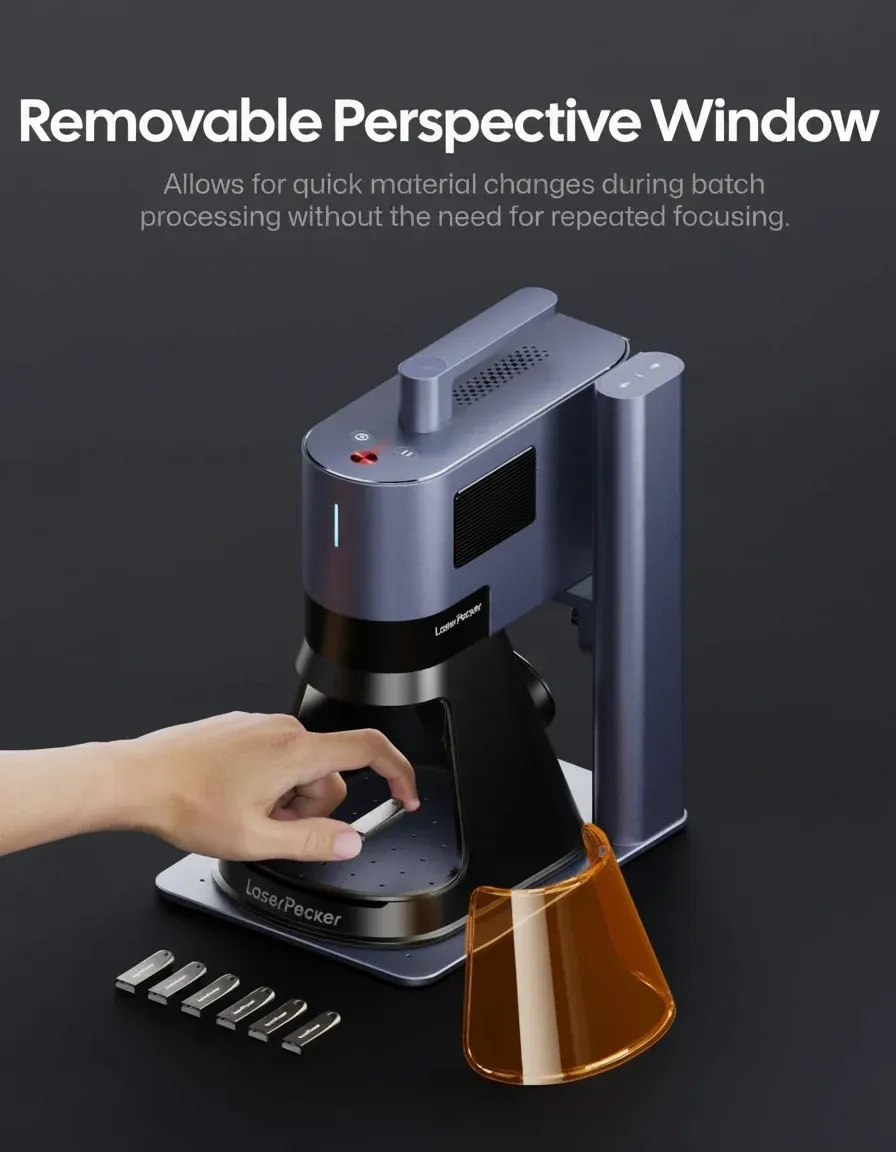
Premium dual-laser systems: £2,165–£2,999. Both fibre and diode sources. The LaserPecker LP5 at £2,999 sits in this bracket — 20W fibre plus 20W diode in one portable unit that handles stainless steel, titanium, wood, leather, and acrylic.
Industrial enclosed systems: £5,000–£25,000+. Production-grade with extraction, safety enclosures, and larger work areas.
So what's the catch with cheaper units? Power and material range, mostly. A £300 diode laser won't mark bare metal no matter what the listing claims. You need fibre wavelength (1064nm) for that. The dual-laser approach is, in practice, the only sensible option if you want one machine that genuinely does everything.
Worth the extra spend? If you're running any kind of personalisation business, absolutely. The ability to switch between engraving a wooden chopping board and marking a stainless steel hip flask without changing machines pays for itself within months.
CNC Software Requirements for UK Laser Engraver Machines
Software can make or break your experience with any laser engraving system. Most modern units ship with proprietary apps, but compatibility with industry-standard CNC software matters for serious work.
Proprietary Apps
LaserPecker's own app handles basic design, text, and image import. It's decent for quick jobs — phone-based control means you can set up engravings without a laptop. Supports iOS and Android. For most personalisation work, it's all you need.
LightBurn
The industry standard for desktop laser control. £50–£80 for a licence depending on your laser type. Runs on Windows, Mac, and Linux. Offers precise speed/power control, layer management, and camera alignment. Not all portable units support it though — check compatibility before buying.
LaserGRBL
Free, open-source, Windows only. Handles G-code based machines well. Interface is clunky but functional. Good for budget setups., meeting British quality expectations
Design Software
You'll want vector capability for clean results. Inkscape (free) or Adobe Illustrator for SVG creation. For photo engraving, any image editor works — the laser software handles the dithering and greyscale conversion.
My workflow? Design in Inkscape, export SVG, import to the machine's app for positioning and power settings. Takes about 2 minutes once you've got your template sorted.
Specific Use Cases: Gun Engraving, Signage & Personalisation
Different jobs demand different specs. Here's where each category of laser engraver machine in the UK finds its niche.
Gun & Firearm Engraving
Serialisation and decorative engraving on firearms requires fibre laser capability. You need permanent, tamper-resistant marks on hardened steel — typically 0.02–0.05mm depth minimum. A 20W fibre source handles this. Note: UK firearms legislation under the Firearms Act 1968 requires specific serial number formatting. Always verify current requirements with your local firearms licensing department before undertaking this work.
Signage & Wayfinding
Acrylic signs, wooden plaques, anodised aluminium plates. A dual-laser desktop unit covers all three materials. Work area matters here — look for 200mm × 200mm minimum. Batch production of 50+ identical signs is where these machines really earn their keep.
Personalisation Services
The bread and butter for most small operators. Phone cases, jewellery, pet tags, wedding favours, corporate gifts. A portable laser engraver handles 90% of personalisation jobs. My mate runs a stall at St George's Market and clears £400+ on a good Saturday with just a compact laser and a laptop.
Industrial Marking & Traceability
Part numbers, QR codes, date stamps on production components. Speed matters — look for systems capable of 10,000mm/s marking speed for production line integration. These are the £10,000+ systems with proper automation interfaces.
UK Safety Regulations & Compliance for Laser Engravers
Laser safety isn't optional. Class 4 lasers (which includes most engraving systems above 500mW) require specific precautions under UK law.
The Health and Safety Executive (HSE) classifies laser equipment under the Control of Artificial Optical Radiation at Work Regulations 2010. If you're using a laser engraver commercially, you need a risk assessment, appropriate eyewear (OD5+ at the relevant wavelength), and adequate ventilation or extraction.
Key compliance points for UK operators:
- CE/UKCA marking: All laser products sold in the UK must carry UKCA marking from January 2025 onwards
- Laser safety eyewear: OD5+ rated for 445nm (diode) or 1064nm (fibre) — never use generic sunglasses
- Fume extraction: Mandatory for enclosed commercial use. Wood produces particulates; plastics release VOCs
- Electrical safety: Products should meet BS EN 60825-1 standards for laser safety classification
Honestly, I've seen folk on Facebook groups running open-frame lasers without goggles. Don't be that person. A reflected beam from a 20W fibre laser will cause permanent eye damage faster than you can blink. Literally.
Frequently Asked Questions
What's the best laser engraver machine for UK small businesses in 2026?
A dual-laser system offering both fibre (1064nm) and diode (450nm) sources provides the widest material range for UK small businesses. The LaserPecker range offers portable dual-laser units from £2,165 to £2,999 that handle metal, wood, leather, and acrylic — covering 95% of personalisation and signage work without needing separate machines., popular across England
Can a portable laser engraver cut metal in the UK?
Portable laser engravers with fibre sources can engrave metal (0.01–0.05mm depth) but cannot cut through it. Cutting metal requires industrial CO2 or fibre systems with 40W+ power. For surface marking on stainless steel, titanium, and brass, a 20W portable fibre laser performs excellently at speeds up to 8,000mm/s.
Do I need a licence to operate a laser engraver in the UK?
No specific licence is required to own or operate a laser engraver in the UK. However, commercial use requires compliance with HSE regulations including risk assessments, appropriate safety eyewear (OD5+), and fume extraction. Class 4 lasers above 500mW must be operated with proper safety controls under the Control of Artificial Optical Radiation at Work Regulations 2010.
What materials can a £2,999 dual-laser engraver handle?
A premium dual-laser system at this price point handles stainless steel, titanium, brass, aluminium, gold, silver, wood, plywood, MDF, leather, acrylic, ABS plastic, stone, glass, and fabric. The fibre source (1064nm) manages metals while the diode source (450nm) handles organic materials and plastics — giving you over 300 compatible material types.
How accurate are modern portable laser engravers?
Current-generation portable laser engravers achieve positioning accuracy of ±0.01mm with minimum line widths of 0.05mm. This precision suits detailed jewellery engraving, QR codes as small as 5mm × 5mm, and text at 2mm height remaining fully legible. Resolution typically reaches 8,000 dots per inch on compatible materials.
Is gun engraving legal with a personal laser engraver in the UK?
Engraving firearms you legally possess is not prohibited, but all work must comply with Firearms Act 1968 requirements for serial number preservation. You cannot alter, remove, or obscure existing serial numbers. Decorative engraving on legally held shotguns or rifles is permissible. Always consult your local firearms licensing office before undertaking any modification work.
Key Takeaways
- Dual-laser systems dominate the UK market in 2026 — combining 20W fibre and 20W diode sources in one portable unit eliminates the need for separate machines for metal and organic materials.
- Budget accordingly: expect £2,165–£2,999 for a capable laser engraver machine UK professionals can rely on for mixed-material work; entry-level diode-only units start from £199 but won't mark bare metal.
- Fibre wavelength (1064nm) is essential for metal — no amount of power from a 450nm diode laser will permanently mark stainless steel or titanium without marking compounds.
- UK safety compliance is non-negotiable — HSE regulations require risk assessments, OD5+ eyewear, and fume extraction for any commercial laser operation above 500mW.
- Software choice affects productivity significantly — proprietary apps suit quick personalisation jobs while LightBurn (£50–£80) offers professional-grade control for production work.
- Portable doesn't mean weak — sub-2kg handheld laser engravers now achieve 8,000 DPI resolution and ±0.01mm accuracy, suitable for jewellery-grade detail work.
- ROI for personalisation businesses is rapid — operators report recouping a £2,999 investment within 3–6 months through craft fair sales and online custom orders.
Choosing Your Laser Engraver Machine in the UK: Final Thoughts
I've tested a fair few of these machines over the past couple of years, from budget diode units that struggled with anything harder than balsa wood to proper dual-laser systems that mark surgical steel without flinching. The market's matured enormously.
For most UK buyers in 2026 — whether you're starting a personalisation side business, adding engraving services to an existing workshop, or just want a capable creative tool — a dual-laser portable system hits the sweet spot. The LaserPecker range available through lsrpckrap.co.uk represents that middle ground between toy-grade hobby lasers and industrial systems that need three-phase power and a dedicated room.
That said, know your use case before spending. If you're only ever engraving wooden signs, a £500 diode laser is spot on. If you need metal capability, don't try to bodge it with marking sprays on a cheap diode — invest in fibre from the start. You'll thank yourself six months down the line.
Whatever you choose, sort your safety gear first. Goggles, extraction, fire safety. Then crack on with making brilliant things.
Ready to try LSRPCKR AP?
Shop Now — £5037.90